
Water Quality Conductivity: Methods and Importance
- metronmena
- Sep 22, 2025
- 4 min read
Understanding water conductivity measurement is essential for industries that rely on precise water quality control. In sectors like oil and gas, maintaining optimal water conditions can significantly impact operational efficiency and safety. This article explores the methods used to measure water conductivity, explains what conductivity reveals about water quality, and highlights why accurate monitoring is crucial for industrial applications.
Methods of Water Conductivity Measurement
Water conductivity refers to the ability of water to conduct an electric current, which depends on the presence of dissolved ions such as salts and minerals. Measuring this property requires specialized instruments and techniques tailored to different industrial needs.
Conductivity Meters
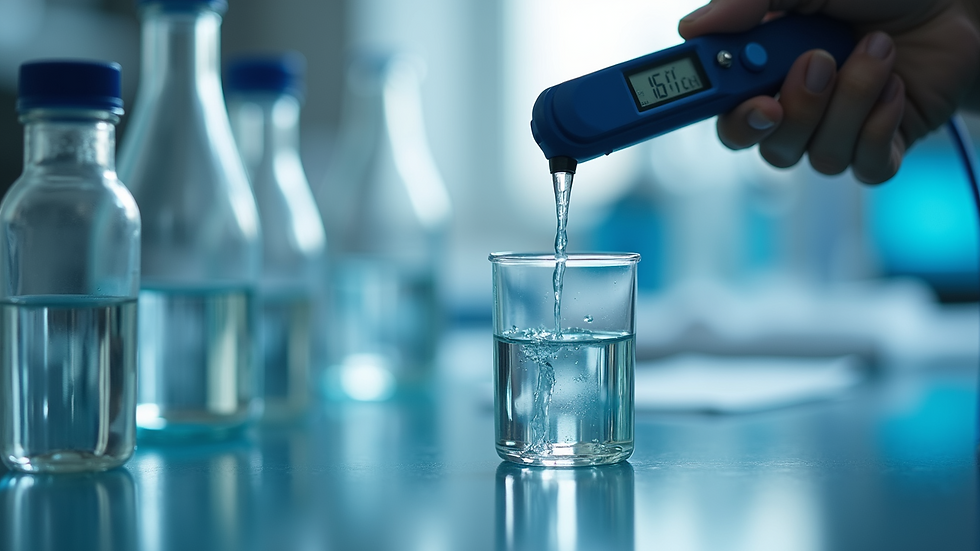
The most common method involves using conductivity meters. These devices apply an electrical voltage between two electrodes submerged in the water sample. The meter then measures the current flow, which correlates with the water’s ionic content.
Portable meters: Ideal for field measurements, these handheld devices provide quick and reliable readings.
Inline sensors: Installed directly in pipelines or tanks, these sensors enable continuous monitoring without interrupting operations.
Laboratory instruments: Used for detailed analysis, these meters offer high precision and can measure a wide range of conductivity values.
Calibration and Temperature Compensation
Accurate conductivity measurement requires regular calibration using standard solutions with known conductivity values. Temperature also affects conductivity readings, so most meters include automatic temperature compensation to ensure consistent results.
Advanced Techniques
For more complex water systems, techniques such as electrochemical impedance spectroscopy (EIS) can provide detailed information about water composition. However, these methods are typically reserved for research or specialized industrial applications.

Water Conductivity Measurement in Industrial Settings
In industrial environments, especially in oil and gas facilities, water conductivity measurement plays a critical role in process control and environmental compliance.
Monitoring Process Water
Water used in cooling systems, boilers, and chemical processes must meet strict conductivity standards to prevent corrosion, scaling, and equipment damage. Continuous conductivity monitoring helps detect contamination or changes in water chemistry early, allowing for timely corrective actions.
Wastewater Treatment
Industries generate wastewater with varying levels of dissolved solids. Measuring conductivity helps assess the effectiveness of treatment processes and ensures discharge meets regulatory limits.
Integration with Control Systems
Modern conductivity sensors can be integrated with industrial control systems, providing real-time data for automated adjustments. This integration enhances operational efficiency and reduces the risk of human error.

What does conductivity tell us about water quality?
Conductivity is a direct indicator of the ionic content in water, which reflects its overall purity and suitability for specific uses.
Ionic Concentration and Water Purity
High conductivity values indicate a high concentration of dissolved salts and minerals. For example, seawater has high conductivity due to its salt content, while distilled water has very low conductivity.
Detecting Contaminants
Changes in conductivity can signal the presence of contaminants such as heavy metals, acids, or bases. This makes conductivity measurement a valuable tool for early detection of pollution or process upsets.
Correlation with Other Water Quality Parameters
While conductivity alone does not identify specific contaminants, it complements other measurements like pH, turbidity, and chemical analysis to provide a comprehensive water quality profile.
Practical Example
In oil extraction, water injected into reservoirs must have controlled conductivity to avoid scaling and formation damage. Monitoring conductivity ensures the injected water meets these criteria, protecting reservoir integrity.
Importance of Reliable Water Quality Conductivity Monitoring
Reliable monitoring of water quality conductivity is vital for maintaining operational standards and regulatory compliance in industrial sectors.
Enhancing Operational Efficiency
Accurate conductivity data allows for optimized water treatment processes, reducing chemical usage and energy consumption. This leads to cost savings and improved sustainability.
Preventing Equipment Damage
By detecting changes in water chemistry early, conductivity monitoring helps prevent corrosion, scaling, and fouling of equipment, extending its lifespan and reducing maintenance costs.
Ensuring Safety and Compliance
Industries must comply with environmental regulations regarding water discharge. Conductivity measurement provides a quick and reliable method to verify that treated water meets required standards.
Supporting Decision-Making
Real-time conductivity data supports informed decision-making, enabling operators to respond promptly to water quality issues and maintain continuous production.
Implementing Conductivity Measurement Solutions
Choosing the right conductivity measurement system depends on specific industrial requirements and environmental conditions.
Factors to Consider
Measurement range: Select meters that cover the expected conductivity levels in your water sources.
Durability: Sensors should withstand harsh industrial environments, including high temperatures and chemical exposure.
Integration capabilities: Ensure compatibility with existing control and monitoring systems.
Maintenance needs: Opt for devices with easy calibration and minimal maintenance requirements.
Partnering with Experts
Collaborating with specialized providers like Metron MENA ensures access to advanced technology and expert support tailored to the Middle East and North Africa region’s industrial challenges.
Training and Support
Proper training for personnel on the use and maintenance of conductivity measurement equipment maximizes accuracy and reliability.
Advancing Industrial Water Management
Water conductivity measurement is a cornerstone of effective water management in industrial operations. By adopting precise and reliable measurement techniques, businesses can enhance process control, reduce operational risks, and comply with environmental standards.
Investing in state-of-the-art conductivity analyzers and integrating them into automated systems positions companies to meet the evolving demands of the oil and gas sector and other industries in the MENA region.
Continuous innovation and expert guidance will drive improvements in water quality monitoring, supporting sustainable and efficient industrial growth.
By focusing on accurate water conductivity measurement, industries can safeguard their processes and contribute to responsible resource management. This approach aligns with the goals of advancing industrial control and measurement systems across the Middle East and North Africa.


Comments